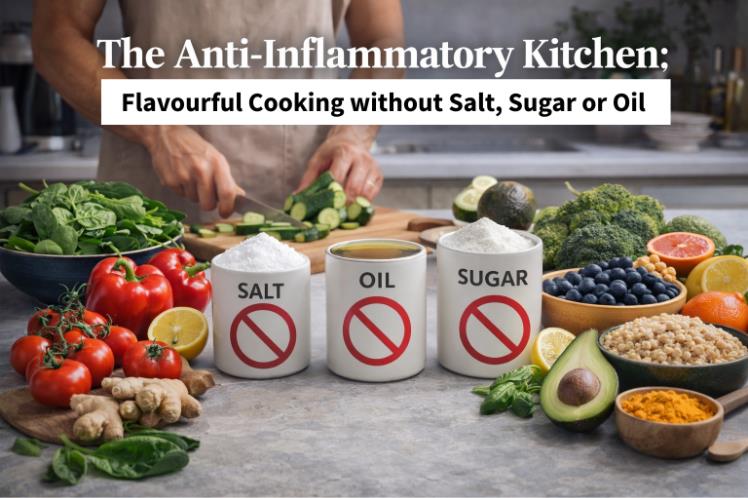

Modern diets are saturated with excess salt, refined sugar and processed oils. While these ingredients enhance flavour, long-term overconsumption contributes to chronic inflammation, metabolic imbalance and a rise in lifestyle disorders such as hypertension, diabetes and cardiovascular disease. An anti-inflammatory diet does not rely on restriction alone. It emphasises nourishment, balance and natural flavour. Cooking without added salt, sugar or oil may sound limiting, yet when approached thoughtfully, it becomes a powerful pathway towards digestive health, metabolic balance and sustained vitality.
At Jindal Naturecure Institute, therapeutic nutrition focuses on restoring the body’s innate healing capacity through clean, minimally processed foods. The goal is not deprivation but recalibration of taste, metabolism and overall holistic wellness.
Understanding Chronic Inflammation and Diet
Chronic inflammation is the body’s prolonged immune response to internal or external stressors. Unlike acute inflammation, which protects and heals, chronic inflammation quietly damages tissues over time. Dietary triggers include:
- Excess sodium leading to fluid retention and blood pressure imbalance
- Refined sugar contributing to insulin spikes and systemic inflammation
- Highly processed oils increasing oxidative stress
An anti-inflammatory kitchen removes these triggers while enhancing nutrient density and gut-friendly ingredients.
Relearning Taste: The First Step to Freedom
The palate adapts to what it is repeatedly exposed to. Diets high in salt and refined sugar gradually desensitise taste receptors, leading to stronger cravings and increased dependency on intense flavours. When salt, sugar and oil are reduced, the senses begin to awaken. The natural sweetness of vegetables becomes more noticeable, herbs and spices feel more aromatic, and textures take on greater importance in the overall eating experience. Satiety also improves, as meals become more balanced and less overstimulating. Within 10 to 14 days, taste receptors begin to recalibrate. What once felt bland starts to feel naturally balanced and satisfying. This sensory reset strengthens mindful eating habits and supports long-term dietary adherence rooted in awareness rather than excess.
Cooking Without Salt: Enhancing Natural Flavour
Salt enhances flavour but is not the only way to create depth. Natural Salt Alternatives include:
- Fresh herbs such as coriander, basil and mint
- Spices like cumin, turmeric and black pepper
- Citrus juices for brightness
- Roasted garlic and ginger for warmth
- Tomato purée for umami depth
These ingredients stimulate taste receptors while supporting digestive health. For example, turmeric contains curcumin, known for its anti-inflammatory properties. Ginger supports gut motility and reduces bloating. Using layered flavour profiles reduces reliance on sodium while maintaining culinary satisfaction.
Cooking Without Sugar: Discovering Whole-Food Sweetness
Refined sugar contributes to insulin resistance and inflammation. Removing it stabilises blood sugar balance and improves energy regulation. Natural ways to sweeten dishes include:
- Steamed carrots or pumpkin for natural sweetness
- Cinnamon to enhance perceived sweetness
- Dates or soaked raisins blended into sauces
- Fresh fruits in desserts
Whole foods provide fibre along with natural sugars, slowing glucose absorption and supporting metabolic health.
Reducing sugar intake plays a significant role in maintaining overall health and metabolic balance. When blood glucose levels remain stable, the body experiences sustained energy rather than sudden spikes and crashes. This stability supports clearer skin by minimising inflammation and hormonal fluctuations. It also contributes to improved mood regulation, as balanced blood sugar reduces irritability and fatigue. Over time, controlled sugar consumption supports healthy weight management by preventing excessive insulin release and fat storage.
Cooking Without Oil: Rethinking Texture and Technique
While certain healthy fats are beneficial, excessive oil consumption increases caloric density and oxidative stress, particularly when oils are heated repeatedly. Oil-free cooking techniques include:
- Steaming to preserve nutrients
- Dry roasting spices before adding water
- Water sautéing with vegetable stock
- Baking on parchment paper
- Slow cooking to enhance natural moisture
Nuts and seeds can provide healthy fats in controlled portions without the need for added oil. Avocado, soaked almonds or ground flaxseed contribute texture and essential fatty acids. Oil-free cooking supports lighter digestion and improved metabolic balance.
Building an Anti-Inflammatory Plate
A well-designed anti-inflammatory diet is not restrictive. It is abundant in colour, fibre and phytonutrients. A balanced plate may include:
- Seasonal vegetables rich in antioxidants.
- Whole grains such as millet or brown rice.
- Legumes for plant-based protein.
- Fermented foods to support gut microbiota.
- Fresh herbs and spices for therapeutic benefit.
This composition supports immune health, enhances satiety and stabilises blood sugar.
The Role of Gut Health in Inflammation
The gut plays a central role in regulating inflammation. Processed foods disrupt the gut microbiome, weakening immune defences.
An anti-inflammatory kitchen strengthens the gut through:
- Fibre-rich vegetables
- Probiotic foods
- Adequate hydration
- Mindful meal timing
Improved gut health enhances nutrient absorption and reduces systemic inflammation.
Psychological Benefits of Clean Cooking
Cooking without salt, sugar and oil encourages conscious food preparation and cultivates a slower, more intentional relationship with meals. This approach strengthens your connection to natural ingredients, allowing you to appreciate their inherent flavours, textures and aromas. It naturally supports mindful eating, helping you become more aware of hunger and satiety cues. As taste receptors recalibrate, cravings for overly processed foods begin to diminish. Over time, this heightened awareness also improves portion control, fostering balanced eating habits that support long-term wellness.
Sustainability and Long-Term Wellness
At Jindal Naturecure Institute, therapeutic diets often demonstrate how flavourful meals can be prepared without excessive salt, sugar or oil. Patients frequently report lighter digestion, improved energy and reduced inflammatory symptoms within weeks. The body responds positively when inflammatory triggers are removed.
Loving the Anti-Inflammatory Kitchen
Initial resistance often stems from habit rather than true preference. When meals are thoughtfully prepared with aromatic herbs, warming spices and fresh ingredients, satisfaction increases naturally. An anti-inflammatory kitchen supports:
- Reduced inflammation
- Improved cardiovascular health
- Enhanced metabolic function
- Stable energy levels
- Greater holistic wellness
Conclusion
When salt, sugar and oil no longer dominate the plate, the body regains balance. True culinary freedom comes not from excess but from awareness. The shift may begin as a health decision. Over time, it becomes a way of living that supports resilience, clarity and long-term vitality.