
In today’s hyperconnected world, quality sleep often feels like a luxury. With rising stress levels, digital overstimulation, demanding work schedules, and emotional overload, many people struggle with chronic insomnia, difficulty falling asleep, and fragmented rest. As a result, dependence on sleeping pills and sedatives has increased, despite their long-term side effects.
At Jindal Naturecure Institute (JNI), an evidence-informed, holistic approach is redefining insomnia care. Yoga Nidra therapy, often described as “yogic sleep”, is emerging as a powerful natural sleep therapy and complementary psychotherapeutic relaxation technique that promotes deep rest without medication.
Rather than masking symptoms, Yoga Nidra addresses the root causes of insomnia — stress, anxiety, nervous system imbalance, and emotional tension.
What Is Yoga Nidra?
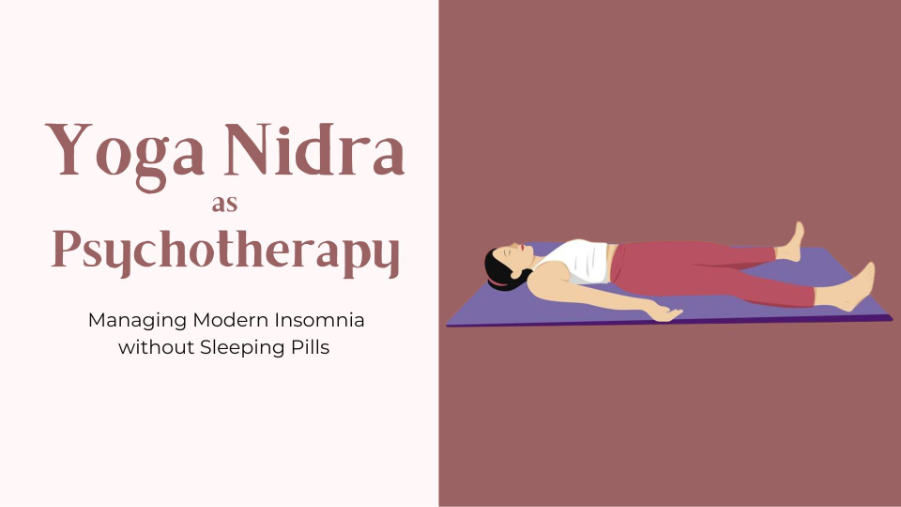
Yoga Nidra is a guided practice of conscious deep relaxation that brings the practitioner into a state between wakefulness and sleep. Unlike traditional meditation, which requires active concentration, Yoga Nidra gently induces a hypnagogic state where the body sleeps while awareness remains present. During a typical session, participants:
- Lie down in a comfortable position
- Follow a guided body scan meditation
- Practise regulated breathing
- Engage in visualisation techniques
- Set a positive intention, known as Sankalpa
In approximately 30 to 40 minutes, the body enters profound relaxation, activating natural healing responses. Many participants report feeling as refreshed as after several hours of restful sleep. This makes Yoga Nidra a highly effective non-pharmacological treatment for insomnia and a valuable tool in mind-body medicine.
How Yoga Nidra Helps Manage Insomnia Naturally
-
Regulates the Autonomic Nervous System
Modern lifestyles keep the body in chronic sympathetic overdrive, commonly known as the “fight or flight” response. Persistent stress elevates cortisol levels, increases heart rate, and disrupts natural sleep cycles. Yoga Nidra activates the parasympathetic nervous system, promoting:
- Reduced heart rate
- Lower blood pressure
- Decreased cortisol production
- Improved vagal tone
This physiological shift supports natural sleep induction and enhances overall sleep quality.
-
Reduces Anxiety and Emotional Overload
Unresolved emotions, anxiety disorders, and mental fatigue are key contributors to sleep disturbances. As a form of meditative psychotherapy, Yoga Nidra creates a safe internal space for emotional processing without overwhelm. Clinical observations suggest that regular practice helps:
- Reduce generalised anxiety
- Improve emotional regulation
- Lower stress reactivity
- Enhance resilience
By easing emotional tension, Yoga Nidra promotes mental calmness before bedtime, an essential factor in overcoming insomnia.
-
Restores Circadian Rhythm and Sleep Cycles
Long-term insomnia often disrupts the body’s circadian rhythm. Yoga Nidra helps retrain the brain and body to enter restorative rest states more efficiently. With consistent practice, individuals may experience:
- Faster sleep onset
- Fewer night awakenings
- Deeper non-REM sleep phases
- Improved morning alertness
This makes Yoga Nidra a sustainable sleep cycle regulation therapy without the dependency risks associated with medication.
-
Quiets the Racing Mind
One of the most common causes of sleeplessness is excessive mental activity. Rumination, planning, and digital overstimulation prevent the mind from disengaging. Through guided awareness of breath and sensation, Yoga Nidra:
- Reduces mental chatter
- Improves mindfulness
- Enhances cognitive relaxation
- Encourages present-moment awareness
The result is a state of deep mental stillness, ideal for transitioning into natural sleep.
Yoga Nidra as a Psychotherapeutic Intervention
Emerging research in integrative medicine and behavioural sleep therapy suggests that Yoga Nidra functions similarly to certain structured psychotherapeutic techniques. It combines:
- Guided imagery
- Somatic awareness
- Cognitive reframing through intention-setting
- Deep relaxation response training
This positions Yoga Nidra as a complementary approach in non-drug insomnia treatment, stress management programmes, and holistic mental health care.
Holistic Insomnia Treatment at Jindal Naturecure Institute
At Jindal Naturecure Institute, Yoga Nidra is integrated into a comprehensive natural sleep restoration programme that includes:
- Therapeutic vegetarian diet plans
- Detoxification therapies
- Hydrotherapy and naturopathy treatments
- Structured lifestyle modification
- Stress management counselling
This integrative model ensures that insomnia is treated not merely as a symptom, but as a signal of deeper imbalance.
A Sustainable Alternative to Sleeping Pills
Yoga Nidra is not a quick fix. It is a long-term lifestyle intervention that builds nervous system resilience and supports self-regulation. Unlike sedatives, which suppress symptoms, Yoga Nidra empowers individuals to:
- Restore healthy sleep patterns naturally
- Reduce dependence on medication
- Improve emotional well-being
- Strengthen mind-body connection
For those seeking a natural cure for insomnia, Yoga Nidra offers a scientifically supported, holistic, and sustainable path to restorative sleep.